
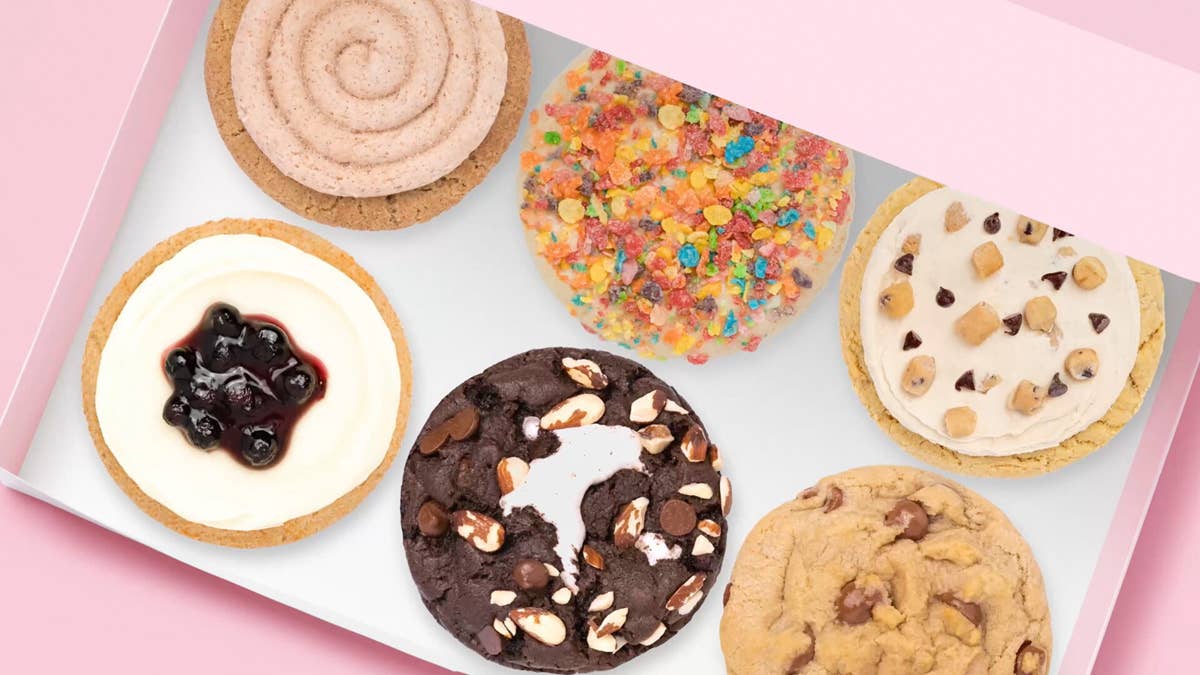
Crumbl faces two massive problems.
First, the chain sells a pricey indulgence customers don’t actually need. Second, millions of Americans are taking GLP-1 drugs that curb their appetites.
“People just don’t feel great about the economy,” Zions Bank Senior Economist Robert Spendlove told KSL. “And a big reason for that is they’re facing constant pressure of rising prices and higher inflation.”
For consumers watching their grocery bills and other household expenses climb, a $5 cookie is an easy purchase to skip. Unlike a meal or a grocery staple, Crumbl’s oversized treats are an indulgence, making them vulnerable when shoppers start cutting discretionary spending.
And, as someone taking a GLP-1 drug, I can clearly say that I’m snacking less often, and a survey from PwC shows I’m not alone.
“Sixty-one percent of current users say they’re buying fewer sweet treats, and 56% say the same about salty snacks,” the data showed.
It’s a perfect storm of bad news that has led to store closures, franchisee bankruptcy filings, and a staggering drop in sales.
Crumbl’s sales have crumbled
An internal Crumbl document obtained by Restaurant Business shows August sales were 70% lower than two years earlier.
Foot traffic at Crumbl’s more than 1,000 locations fell 32% year over year, according to data from Placer.ai.
That situation has led to numerous store closures and a franchisee Chapter 7 filing.
- A Crumbl cookie retail chain franchisee in St. Matthews, Ky., closed its business, and its owners filed for Chapter 7 bankruptcy, seeking to liquidate their assets, facing more than $352,000 in liabilities, according to Louisville Business First.
- Franchisee Red Sheep St. Matthews LLC, which was owned by Richard and Emily Diamond, filed its petition in the U.S. Bankruptcy Court for the Western District of Kentucky on Oct. 1, according to PacerMonitor.
Crumbl has closed at least 57 stores in 2026, following additional closures in 2025, based on a comparison of data from its current store locator page and archival versions of that page.
The challenge facing the chain is that history is littered with once-popular dessert chains that experienced success and then eventually shut down.
Shutterstock
Dessert-only businesses have historically struggled
RTM Nexus CEO Dominick Miserandino isn’t surprised that Crumbl has faced significant sales problems.
“The cookie business has enough problems with fading novelty. Now you’ve got people on GLP-1 drugs who don’t even want the cookie. That’s a tough combination when your entire business depends on someone deciding they deserve a treat,” he told TheStreet.
A number of dessert-only chains that were once popular have closed down. The list includes:
- Sprinkles Cupcakes (2025): The well-known cupcake chain closed all its remaining U.S. locations on Dec. 31, 2025, including its cupcake vending machines. The company had roughly 20 locations and more than 30 ATMs. No official reason for the shutdown was given, according to the Associated Press.
- Chip City Cookies (2026): The New York-founded gourmet cookie chain closed all its remaining locations in October 2026. The company cited declining sales, changing consumer preferences, and insufficient funding, QSR Magazine reported.
- Crumbs Bake Shop (2014): Once the largest specialty cupcake chain in the U.S., Crumbs closed its remaining 58 stores after a steep sales slump and financial problems, reported the Los Angeles Times.
- Gigi’s Cupcakes (2025): The cupcake chain’s franchisor filed for Chapter 11 bankruptcy in January 2025, citing financial difficulties. The filing followed years of store closures and financial problems. Some independently operated franchises remained open, according to Restaurant Business.
Craveworthy Brands CEO Gregg Majewski, whose company owns Dirty Dough, a cookie dough snack chain, shared his recipe for keeping customers coming back.
“Look at the trends in frozen yogurt, cupcakes, and all these other ones,” he told Restaurant Dive. “We want to maintain sales so we don’t see those drops by having an assortment of items for guests.”
Related: Costco is winning at weight loss, but members are paying for it
GLP-1 use isn’t hurting all snack brands
While it’s easy to say that people on GLP-1s eat fewer snacks, that’s only a piece of the puzzle.
“We have seen no obvious impact from GLP-1s in our data,” Krispy Kreme CEO Joshua Charlesworth told Restaurant Dive. “I think that’s because it’s such an infrequent purchase that the vast majority of our doughnuts are purchased in dozens for sharing occasions — 40% of them are for gifts for somebody else.”
Data from Circana shows that GLP-1 users have not stopped visiting restaurants.
“Circana has tracked foodservice data for 50 years, and consumers have been following various diet plans for the entirety of that time. Restaurants continue to adapt and grow with those trends,” the research firm shared.
Key findings include:
- Circana’s research, which combines consumer survey data and receipt tracking, found that GLP-1 users decrease the average number of items ordered per trip by 1%.
- This aligns with a broader trend, as 35% of all restaurant consumers reported ordering smaller portion sizes in October for health-related reasons.
- The analysis reveals a notable change in menu item selection among GLP-1 users, who now tend to order more main dishes and fewer sides, snacks, and breads.
- This group shows a strong preference for healthier choices, with 63% actively seeking more vegetables and 55% seeking more fruit.
“With GLP-1 usage, the biggest change to restaurants won’t be that consumers stop going out to eat, it will be how they go out to eat and what they order,” it shared.
Related: Is Kroger open on Columbus Day?