
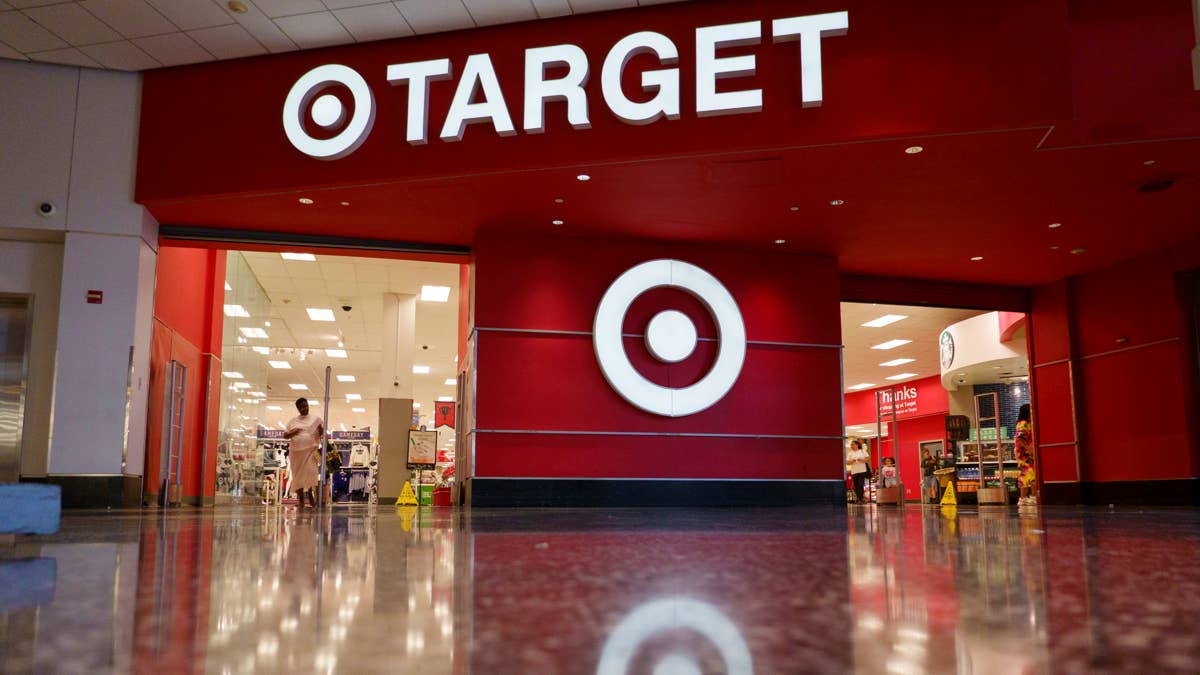
Target (TGT) has spent the past year trying to convince shoppers and investors that its turnaround is real. On Tuesday, it made a move to prove it.
The retailer named its first-ever chief artificial intelligence officer, pulling a senior executive away from a direct rival to run the job.
It also promoted a second leader to keep that technology focused on how people actually shop.
For a company that has struggled with inconsistent sales growth and declining customer visits, the message was clear. Target wants AI to sit at the center of its strategy, not as a side project.
The stock has already responded to the broader comeback, climbing more than 50% in 2026. The question now is whether one hire can turn a rebound into something that lasts.
Here is what the appointment means, why Wall Street reacted the way it did, and what you should watch before treating it as a reason to buy.
What Target actually announced about its new AI leader
Target named Chandhu Nair as its first chief AI officer and senior vice president, according to CNBC. The appointment will be effective August 24, 2026.
Nair joins from home-improvement rival Lowe's, where he spent more than six years. He most recently led stores, data, AI, and innovation. He earlier held roles at Staples and Gap.
Alongside Nair, Target promoted Purvi Shah to senior vice president of user experience.
Both will report to chief information and product officer Prat Vemana, Target confirmed.
That pairing matters. Instead of bolting AI onto existing apps, Target is tying it directly to design, so the technology shows up as something shoppers and workers actually find useful.
Why Target is putting AI in the C-suite now
Target is not early to this.
Rivals have been building AI teams for a while, and the company said as much when it framed the hire as a way to bring "greater focus and coordination" across the business.
Walmart (WMT), Gap (GAP), and Best Buy (BBY) have all pushed generative AI into shopping and operations.
Naming an AI chief hints that Target intends to defend its share of the market rather than watch faster competitors pull ahead.
More AI Coverage:
- BofA names Datadog its top software pick ahead of earnings
- Google stock price faces major AI test ahead of earnings
- The whole chip trade is waiting on one report
The appointment fits inside CEO Michael Fiddelke's turnaround plan, which added an additional $2 billion in operational and capital investment for 2026, CIO Dive reported.
Target already runs AI tools, including Target Trend Brain for forecasting styles and a conversational shopping feature built into ChatGPT.
Nair's job is to connect those scattered efforts into one plan.
His core priorities are improving inventory efficiency, streamlining employee tools, and accelerating executive decision-making.
What the move could do for Target's margins
For shareholders, Target's recent problems have been about execution, and AI is aimed at the parts of the business that quietly drain profit.
Better demand forecasting means fewer overstocked shelves and fewer deep markdowns to clear them. It also means fewer moments when a shopper wants something and finds it out of stock.
Three areas where AI could lift Target's results
- Gross margin: Sharper inventory forecasting reduces markdowns and cuts the cost of unsold goods.
- Digital sales: Personalized recommendations and conversational search can raise how often browsing turns into buying.
- Operating expenses: Automating routine store and back-office tasks frees up labor and lowers overhead.
Early results show the turnaround is working. Target posted first-quarter net sales of $25.4 billion, up 6.7% from a year earlier, Retail TouchPoints reported.
AI only needs to fix one of these areas to move Target's profit.
How Wall Street reacted to the announcement
Analysts moved quickly, and the reaction was mostly positive.
Oppenheimer analyst Rupesh Parikh reiterated an Outperform rating and raised his price target on Target to $170 from $140, Benzinga noted.
He was not alone. In recent weeks, Wells Fargo lifted its target to $165, BMO Capital moved to $150, and TD Cowen raised its figure to $155.
Wolfe Research also upgraded the stock to Outperform.
The stock has backed up the optimism. Target shares are up more than 50% in 2026 and closed near $152 on Monday, above any level recorded last year, Yahoo Finance reported.
That run also raises the bar. With much of the recovery already priced in, the AI plan needs to produce real results to justify further gains.
The risks investors should weigh before buying
A management announcement is not the same as a finished product, and Target's plan carries real execution risk.
Digital transformations are expensive, and the spending competes with other priorities.
Shareholders should watch whether rising tech budgets pressure cash flow or slow dividend growth.
There is also a people problem. When AI tools get to the sales floor, workers sometimes see them as one more thing to manage rather than something that helps.
Related: Goldman Sachs revamps SpaceX stock price target for 2026
Other retailers have run into that exact friction during early rollouts.
Nair's real test is turning the plan into measurable savings and sales, not just launching features.
For anyone holding or considering the stock, here are a few practical guidelines you can apply:
How to judge Target's AI bet as an investor
- Treat the hire as one input, not a guarantee of stock gains.
- Watch gross margin, digital growth, and expense control over the next two to three quarters.
- Compare Target's AI progress against Walmart and Amazon, which have a head start.
- Keep the position sized within a diversified portfolio rather than betting on a single catalyst.
The next earnings report is the first real checkpoint.
If the numbers start reflecting the strategy, the case strengthens. If they don't, the appointment stays a headline rather than a turning point.
Related: Bank of America revamps AMD stock price target for 2026